Exploring Net Metering and Residential Solar Panels in Ontario
Unlocking the Power of Renewable Energy:
As climate change becomes increasingly urgent, governments and individuals are seeking ways to reduce carbon emissions and promote sustainable energy. Ontario, Canada, has led this movement, strongly focusing on renewable energy sources such as solar power. In this blog, we will explore the benefits of residential solar panels in Ontario and the role of net metering in unlocking the full potential of renewable energy.
Part 1:
Ontario's Renewable Energy Landscape
Ontario has made significant strides in recent years to increase its use of renewable energy. The province aims to generate 50% of its electricity from renewable sources by 2025. This commitment to sustainability has led to the development of a robust renewable energy industry in Ontario, focusing on solar power.
Solar power has become an increasingly popular form of renewable energy in Ontario due to the province's abundant sunlight and supportive government policies. The province's feed-in tariff program, which pays renewable energy producers a guaranteed rate for the electricity they generate, has been instrumental in Ontario's solar industry's growth. Additionally, the government has introduced several other policies and incentives to encourage the adoption of solar power, including tax credits and rebates.
Part 2:
Residential Solar Panels in Ontario
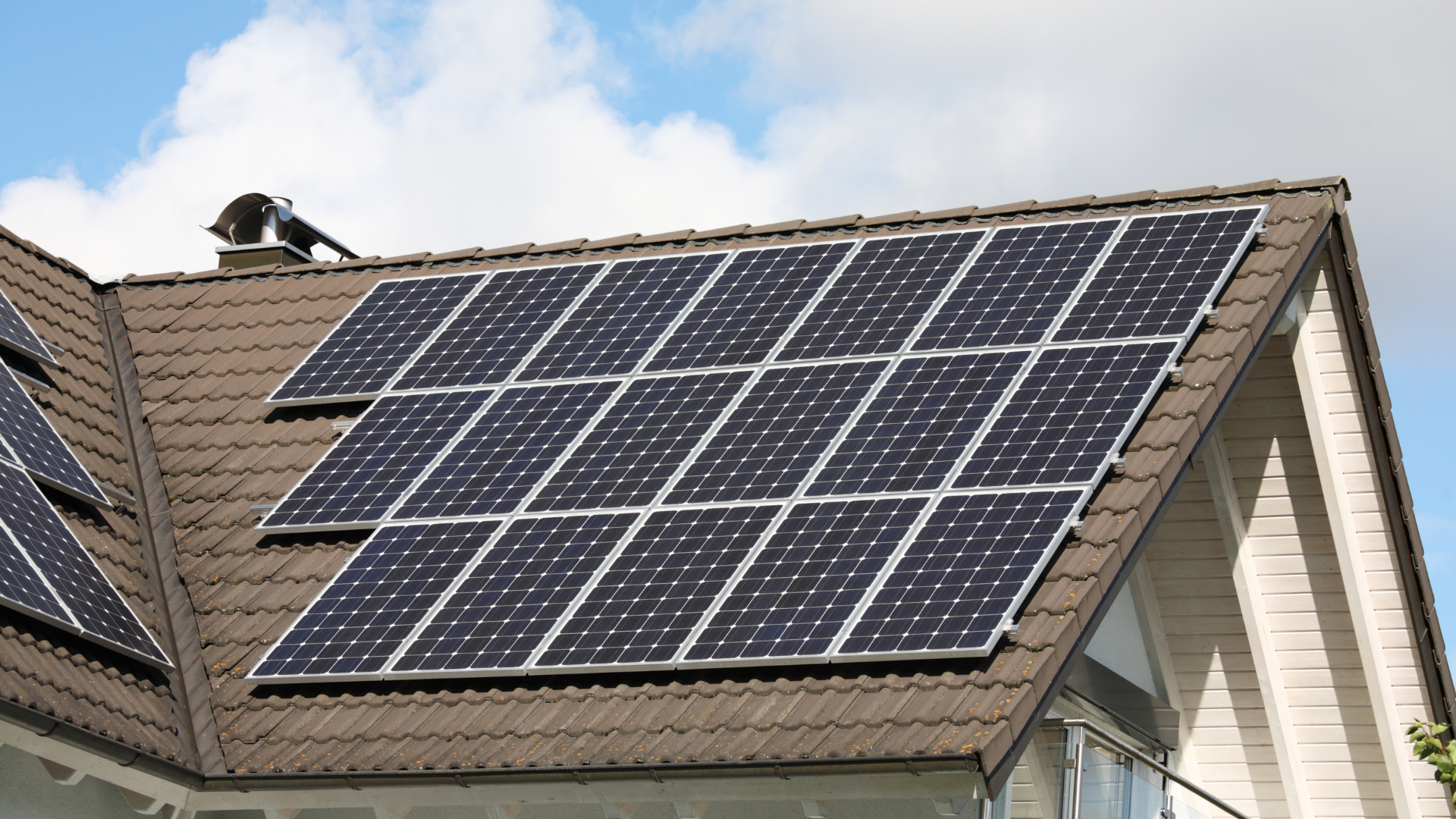
Residential solar panels offer many benefits to homeowners in Ontario. By generating their own electricity, homeowners can reduce their reliance on the grid and save money on their electricity bills. Additionally, solar panels can increase the value of a home and reduce its carbon footprint.
One of the main advantages of solar panels in Ontario is the province's net metering program. Under this program, homeowners who generate excess electricity from their solar panels can sell it back to the grid and receive credits on their electricity bills. This means that homeowners can effectively use the grid as a battery, storing excess electricity generated during the day for use at night or during periods of low sunlight.
Another advantage of residential solar panels in Ontario is the province's supportive policies and incentives. In addition to the feed-in tariff program, homeowners can take advantage of tax credits and rebates to offset the cost of installing solar panels. The government has also introduced financing options to make solar more accessible to homeowners, including low-interest loans and leasing programs.
Part 3:
Net Metering in Ontario
Net metering is a critical component of Ontario's renewable energy landscape, as it allows homeowners to fully realize the benefits of their solar panels. Under the net metering program, homeowners can generate electricity from their solar panels and sell any excess back to the grid. The credits earned through this process can then be used to offset the cost of electricity consumed from the grid when solar production is low.
Net metering also provides a valuable storage solution for homeowners with solar panels. By selling excess electricity back to the grid during periods of high solar production, homeowners can effectively store their electricity and use it when solar production is low. This means that homeowners with solar panels can effectively use the grid as a battery, reducing their reliance on other storage solutions.
The net metering program in Ontario is one of the most generous in North America. Under the program, homeowners can earn credits for excess electricity generated at a rate equal to the retail price. Homeowners can effectively sell their excess electricity back to the grid at the same price they would pay to consume it.
Part 4:
Conclusion
Renewable energy has become an increasingly important part of Ontario's energy mix, and solar power has emerged as an up-and-coming source of clean energy. Residential solar panels offer many benefits to homeowners in Ontario, including reduced reliance on the grid, lower electricity bills, and a reduced carbon footprint. And with the support of net metering, homeowners can fully realize the benefits of their solar panels and effectively use the grid as a battery.
As Ontario continues to move towards a more sustainable future, it is clear that renewable energy will play a key role. For homeowners in Ontario, installing solar panels and taking advantage of the province's net metering program is a great way to reduce their carbon footprint and save money on their electricity bills. And with supportive policies and incentives from the government, there has never been a better time to go solar in Ontario. So why not join the growing number of Ontarians who are unlocking the power of renewable energy?